Achyutashtakam
A highly revered devotional poem attributed to Adi Shankaracharya — eight verses of Lord Vishnu's divine names.
About Achyutashtakam
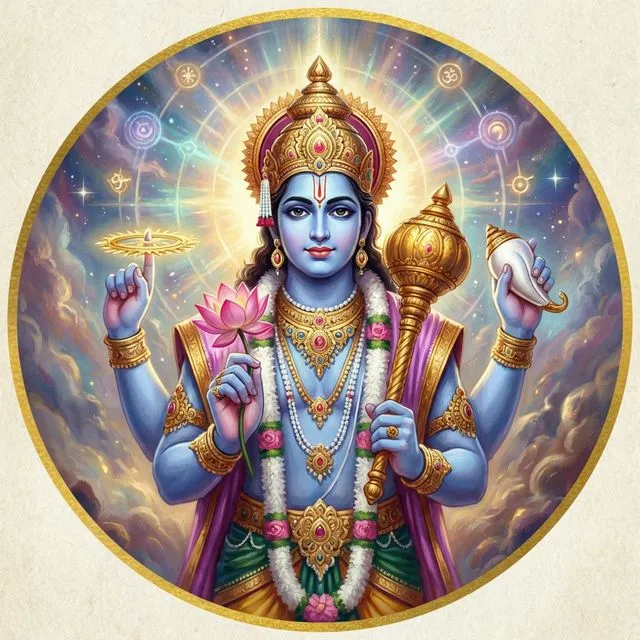
The Achyutashtakam is a highly revered devotional poem in Hinduism, traditionally attributed to Adi Shankaracharya, the famous 8th-century philosopher and theologian. The name itself combines Achyuta, an epithet of Lord Vishnu meaning "the infallible" or "imperishable", with Ashtakam, a Sanskrit term for a poem composed of exactly eight primary stanzas. Written in highly melodic and rhythmic Sanskrit, the stotra serves as a beautiful garland of divine names meant to evoke a deep sense of love, surrender, and devotion.
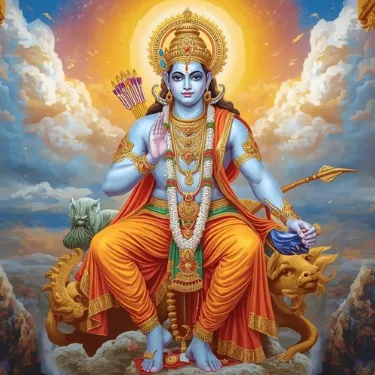
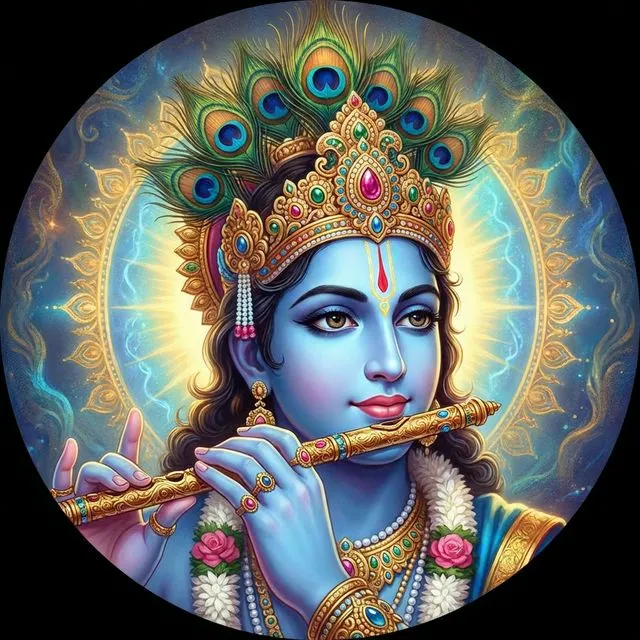
The poem primarily praises Lord Vishnu and his two most celebrated incarnations, Lord Krishna and Lord Rama. Each name chosen by Shankaracharya carries a profound theological meaning or references a specific divine pastime. For instance, the opening lines praise Damodara, the one tied with a rope around the waist by Mother Yashoda, and Janakinayaka, the beloved Lord of Sita. While the core composition consists of eight verses, most traditional recitations include a ninth verse called a Phalashruti, which outlines the spiritual benefits of chanting the poem and promises that devoted practitioners will ultimately attain the divine grace of the Lord.
In modern times, it is important to distinguish the classical Sanskrit poem from the popular Hindi bhajan "Kaun Kehte Hain Bhagwan Aate Nahi." While the modern song frequently uses the famous opening line of the Achyutashtakam as a beautiful chorus refrain, the actual body of that song is written in Hindi and focuses on the stories of later saints like Meera Bai and Shabari. The authentic Achyutashtakam remains entirely in Sanskrit, serving as a timeless piece of classical Hindu literature and a staple of daily temple chanting.
Sacred Collection for Lord Vishnu
Explore related rituals and mantras for your spiritual journey